
 14 days
Grand Adriatic Tour
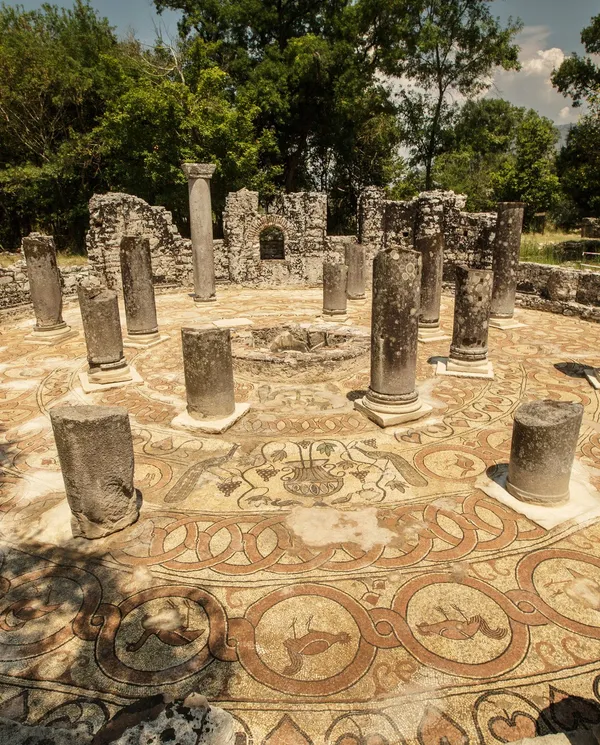
From Ancona through Albania and Montenegro to Slovenia: Butrint, Berat, Kotor, Dubrovnik, Split and the Kornati.
See the programme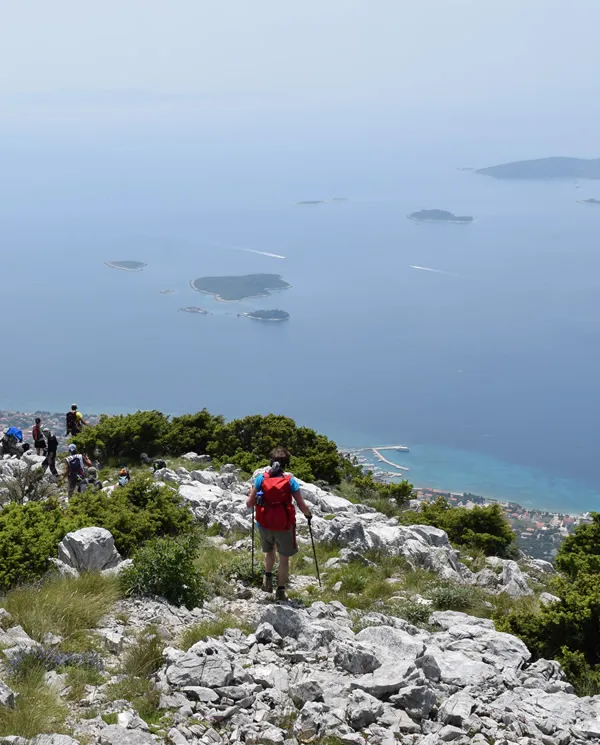
Fourteen days on the peaks that carry a shrine: Velebit, Dinara, Biokovo and Sveti Ilija, between Plitvice and Dubrovnik.
Green paths along the blue sea to the mountains Croatia holds sacred. Plitvice and the Modrič cave, Sveto Brdo on Velebit, Dinara at 1,831 m, Sveti Jure on Biokovo and Sveti Ilija above Pelješac, with Zadar, Šibenik, Split, Ston and Dubrovnik between the climbs. Orchids, wild horses and the rare Velebit degenia along the way.
Individual travel to Zadar by air or by car. From there a transfer to the selected accommodation, where we take our rooms. Over dinner together we meet our guide, who sets the tone for the days ahead and gives us the details of the programme.
Today we drive to Plitvice Lakes National Park.
Spectacular waterfalls, clear lakes with fascinating shades from blue to turquoise green, and not least the famous Winnetou films, have made Plitvice known the world over.
We explore the park away from the usual tourist paths, on a varied walking route. Through the beautiful forest we walk the famous park and find its quieter, less frequented corners, without missing its main sights.
In the late afternoon we return to our accommodation.
Walking time about 6 hours, ascent about 200 m, descent about 200 m.
In the morning we head into the fascinating underground world of the Velebit.
In the Modrič cave our expert caving guide Marijan, one of the known speleologists in Croatia, is waiting. The cave can only be entered in small guided groups and gives an extraordinary insight into the world of karst.
The entrance is fairly narrow at first. Inside, however, the passages widen and open onto a fascinating underground landscape. The cave has no artificial lighting. We explore it with carbide lamps, whose natural light makes for a very particular experience.
In the late afternoon we drive to Zadar, a city of some 2,000 years and one of the most significant historic towns in Dalmatia.
On a walk through the city we see the Church of St Donatus, the Cathedral of St Anastasia and the important Gold and Silver of Zadar collection, among others. A visit to the singular Sea Organ is of course not to be missed.
After breakfast we drive by off road vehicle into the Velebit range, up to about 900 m.
Our walk crosses the Mala Libinje plateau and passes a small karst spring on the way to the Vlaški Grad shelter.
From there we climb the switchbacks to the main ridge and then carry on over the high mountain pastures towards Sveto Brdo.
In spring the meadows are in flower with wild narcissus, gentian and several kinds of orchid.
At 1,753 m the summit of Sveto Brdo is an excellent viewpoint. In clear weather the view reaches over many islands and out to the open sea. Inland we make out the mountains of Bosnia and, in the distance, our next objective, the Dinara.
We enjoy the quiet and the striking mountain landscape before returning by the same path to our starting point.
Walking time about 6 hours, ascent about 900 m, descent about 900 m.
Today the bus takes us inland into Dalmatia.
On the way we stop at a viewpoint high above the gorge of the river Zrmanja. Film sets for the famous Winnetou films once stood here. The emerald green Zrmanja winds through the deeply cut gorge and the striking karst landscape.
Our walk begins in the small village of Golubić. From here the path drops steeply for about half an hour to the river Krupa.
We then walk along the deep blue river, surrounded by lush green meadows, to the Serbian Orthodox monastery of Krupa.
In the middle of the wide karst landscape the fertile river valley feels like a green oasis. We visit the monastery and, if it is open, have the chance to see the small museum.
Afterwards we enjoy an unhurried barbecue lunch in the monastery garden.
In the afternoon we carry on towards Knin, where we spend the next two nights. On the way we stop briefly at the Manojlović waterfall on the river Krka and pass the former Roman military camp of Burnum. Walking time about 2 to 3 hours.
Today’s programme is the ascent of the Dinara, the highest massif in Croatia.
After an early breakfast we drive by off road vehicle up partly adventurous mountain roads to about 1,400 m.
At first we walk on clear paths; later the route climbs steadily over rocky ground. Again and again, splendid views open onto the fertile valleys far below.
After the last climb we reach the summit area. We enjoy the space and the quiet of this remote mountain country, and the view of the Velebit to the north and the Adriatic far below.
On the way back we take a barbecue lunch in a rustic mountain hut. In the late afternoon we make a short detour to the source of the river Krka, which gave the national park its name and rises below a waterfall. Walking time about 4 to 5 hours, ascent about 450 m, descent about 450 m.
The first highlight of today is a visit to the source of the river Cetina.
Clear water rises from a deep karst spring and shimmers in different shades of blue. Few visitors know this particular place, so we can take in the beauty and the quiet at leisure.
After a short visit to the old Croatian Church of the Holy Saviour, Sv. Spas, in the village of Cetina, we drive via Svilaja and Drniš to Krka National Park.
By boat we cross from the mainland to the monastery island of Visovac. There we learn about the history of the Franciscan monastery, which has stood since the fifteenth century. Back on the mainland we begin our walk along the river. The path leads through a striking landscape of water, karst rock and Mediterranean vegetation to the Roški slap waterfall.
After lunch in a typical Dalmatian konoba we carry on to the Šibenik area and our accommodation. Walking time about 3 hours.
A short drive brings us to Šibenik, a picturesque town at the deeply cut mouth of the river Krka.
On a walk through the historic old town we visit the famous Cathedral of St James, a UNESCO World Heritage Site.
Up steep steps and through narrow lanes we reach the oldest town fortress, Sv. Ana. From here there is a beautiful view over the town and the fjord like bay.
Afterwards we carry on to Split, the second largest city in Croatia.
The historic centre is shaped by the imposing Diocletian’s Palace, a former Roman imperial residence that has become a living quarter of the city over the centuries. With a local guide we explore the narrow lanes and historic walls of this singular structure.
After the tour there is time for a walk along the Riva and an unhurried coffee on the waterfront.
In the early evening we reach Makarska, where we spend the next three nights. Walking time about 2 to 3 hours.
A winding mountain road takes us up through the striking karst landscape into Biokovo Nature Park.
At about 1,300 m we begin today’s walk.
The path leads first through rocky karst terrain, past gnarled pines, mountain flowers and small fields edged with dry stone walls. Our first objective is the summit of Vošac.
The view from here, high above the Croatian Adriatic coast, is striking. Far below lie the islands of Hvar and Brač, while in the distance we can make out the Pelješac peninsula and the island of Korčula.
We then climb further until we reach the highest point of the Biokovo range: the summit of Sveti Jure at 1,762 m.
After the walk a typical Dalmatian lunch awaits us, with a glass of regional wine.
Well fed we return to Makarska. In the late afternoon there is still time for a refreshing swim in the clear Adriatic.
In the evening there is the chance to stroll along the Makarska waterfront and dine in one of the many restaurants right by the sea. Walking time about 5 to 6 hours, ascent about 500 m, descent about 500 m.
After a relaxed breakfast we drive through a tunnel to the eastern side of the Biokovo range, into the Dalmatinska Zagora region.
After about an hour we reach Imotski with its two extraordinary natural phenomena: the Red and the Blue Lake.
Both are typical karst formations and lie in deeply cut sinkholes. The clear water of the Blue Lake shimmers in different shades of blue.
We walk to the Red Lake, ringed by almost vertical rock walls up to 250 m high. There is then the chance to go down to the Blue Lake and, depending on local conditions and the water level, take a refreshing swim.
The afternoon and evening are free in Makarska.
Use the time for a walk, a coffee on the waterfront or a swim in the sea. The Biokovo range rises majestically behind.
Walking time about 2 to 3 hours, ascent about 50 m, descent about 50 m.
Along the Biokovo range we drive further south into the fertile Neretva delta.
In the modern archaeological museum in the small village of Vid we learn about the history of the former Roman colony of Narona and the ancient trading town.
Vid lies on the Neretva, which forms a broad delta of more than 100 square kilometres here. Its many waterways are home to a great range of animals, and to water birds in particular. The delta is also an important resting ground for migratory birds on their way to Africa.
In the nineteenth century much of the delta was drained. Today it holds extensive fruit and vegetable plantations threaded with canals. Rice is grown in the region too.
On a traditional boat trip through the canals we take in this extraordinary landscape at close range and visit the fertile growing areas.
Afterwards we enjoy a generous lunch in the middle of the delta.
In the afternoon we carry on to the Pelješac peninsula. We cross by ferry from Ploče to Trpanj and reach Orebić in the early evening, where we take our accommodation.
With a local guide we begin the ascent of Sveti Ilija, the highest peak on the Pelješac peninsula.
Through uninhabited country and woodland we walk past wild sage and orchids and fragrant pines up to the summit and the chapel of St Elijah.
The island of Korčula is in view throughout the climb. In the distance the islands of Mljet and Lastovo can be made out as well.
In the upper part of the mountain the ground grows rockier. The marked path is clear, though, and manageable with reasonable fitness.
From the summit one of the finest views over the southern Adriatic opens up. In clear weather we can look back towards the Biokovo, where we were walking a few days earlier.
With a little luck, on the last sacred mountain of our journey we may even meet wild horses, watching us curiously from a safe distance.
We descend the other side of the mountain and let the day wind down over regional specialities.
Walking time about 4 to 5 hours, ascent about 400 m, descent about 950 m.
On the way to Dubrovnik we stop briefly in Ston and visit the famous historic fortifications, with one of the longest surviving defensive walls in Europe.
In the afternoon we reach Dubrovnik, the pearl of the Adriatic and a UNESCO World Heritage Site.
The whole old town is like a singular open air museum. Narrow lanes and stairways, historic gates and bastions, hidden squares, medieval churches, monasteries and splendid palaces shape the townscape.
On a guided tour we learn a great deal about the eventful history of Dubrovnik. There is then ample time for an individual walk through the old town.
On the way back to the hotel we make a detour to the viewpoint on Srđ above Dubrovnik. From here we take in a spectacular view of the city and the Adriatic coast.
Before our last dinner together, near Cavtat, there may still be time for a refreshing swim in the sea.
The beautiful landscape of Dalmatia in the warm light of the evening sun will stay with us for a long time. Walking time about 1 to 2 hours.
Depending on the departure time there may still be a little time in the morning for a last swim in the sea or a walk.
Then the transfer to the airport and the journey home.
With many unforgettable impressions of Croatia’s mountains, rivers, national parks, islands and the Adriatic coast, an extraordinary journey comes to an end.
Featured regional experiences created out of love for Croatia. Every tour can be tailored to your wishes. Send us an enquiry.
Send an enquiry14 daysFrom Ancona through Albania and Montenegro to Slovenia: Butrint, Berat, Kotor, Dubrovnik, Split and the Kornati.
See the programme 11 days
Ljubljana, Zagreb, Sarajevo, Mostar, Dubrovnik, Kotor and Split, returning through Istria.
See the programme 9 days
Istrian malvazija, žlahtina from Krk, babić from Šibenik and Zagreb chardonnay, with Pelješac, Korčula and Plitvice.
See the programme 8 days
Pula and Rovinj, then the Kvarner islands: Cres, Lošinj, Susak and Krk with a wine stop in Vrbnik.
See the programme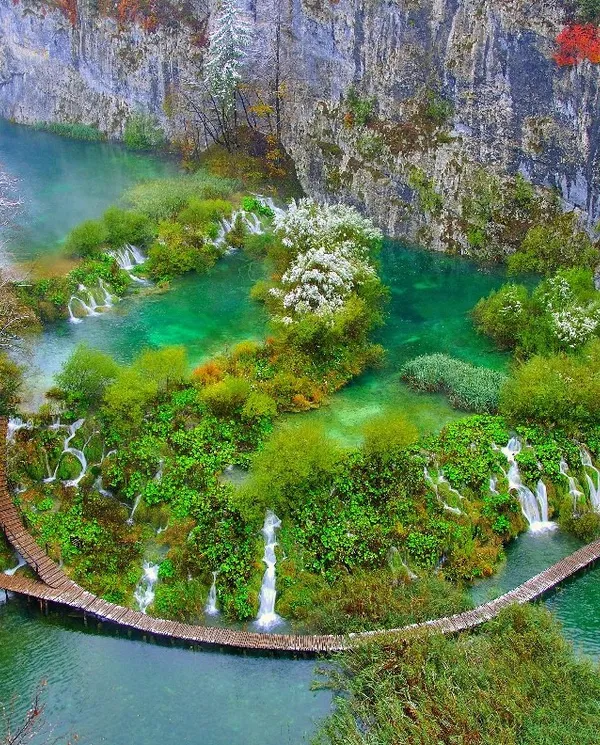 7 days
Plitvice Lakes, the Kornati, Paklenica, Krka and the island of Pag with a cheese tasting.
See the programme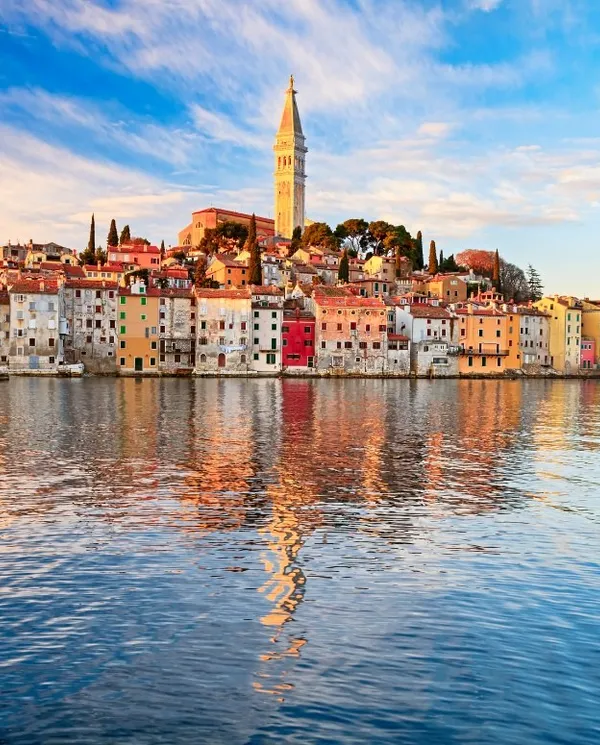 6 days
Rovinj, Poreč, Pula and Brijuni, Motovun and Grožnjan, with the Lipizzaner stud farm and Postojna Cave.
See the programme 8 days
E-bikes along the Neretva delta, the Cetina spring, Krka and Plitvice: eight days following Croatia through its water.
See the programme 7 days
Hiking, cycling and sea kayaking on the long island, with Telašćica, Sakarun and the cliffs of the seaward side.
See the programme 5 days
Five days through the Croatian Tuscany, the land of olives and the hills east of Poreč, on quiet roads and the Parenzana.
See the programme 7 days
Seven days on foot from Poreč to Učka and Pula, with the Slovenian coast, Motovun and Grožnjan.
See the programme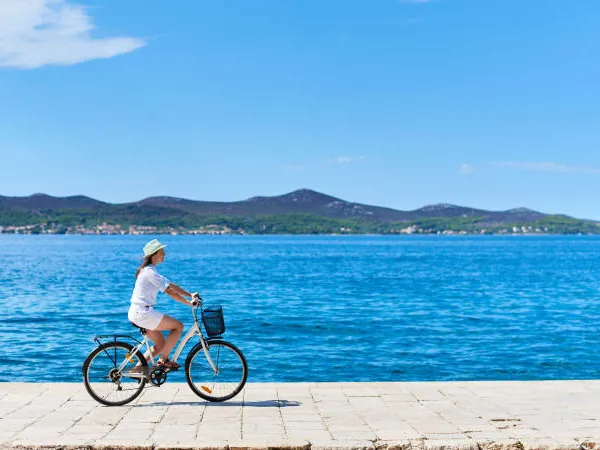 6 days
Six days by bike from Vodice: Vransko jezero, the Roman trail to Skradin, Zadar, the island of Vir and Murter.
See the programme 8 days
Eight days walking from Zadar: Ugljan, the Zrmanja canyon, Paklenica, Vransko jezero, Krka and Plitvice.
See the programme 14 days
Zagreb, Istria, Plitvice, Zadar, Šibenik, Split and Dubrovnik, with a full day in the Bay of Kotor.
See the programme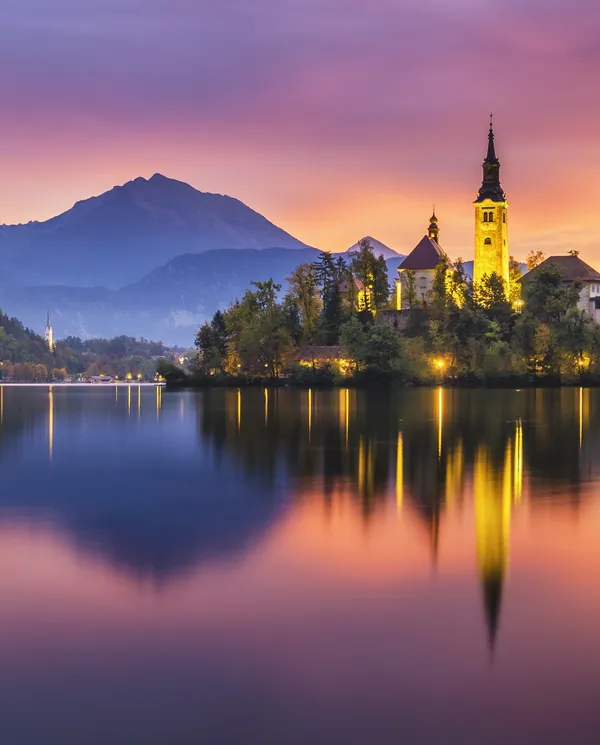 20 days
Ljubljana, Bled, Istria, Plitvice, Zadar, Šibenik, Hvar, Dubrovnik, Kotor and Budva.
See the programme 17 days
North Macedonia, Albania, Kosovo and Montenegro: Skopje, Ohrid, Gjirokastër, Berat, Prizren and Kotor.
See the programmeGet in touch and we plan your journey the way you want it, with great pleasure.
Contact us